When homeowners search for “home siding,” they’re looking for the most durable, energy‑saving, and visually appealing way to protect their house’s exterior while boosting curb appeal. The quickest answer is to choose a siding system that matches your climate, budget, and style preferences—whether that’s vinyl, fiber‑cement, or engineered wood—then have it installed by a qualified contractor who follows the latest 2026 building standards.
Why Home Siding Matters More Than Ever in 2026
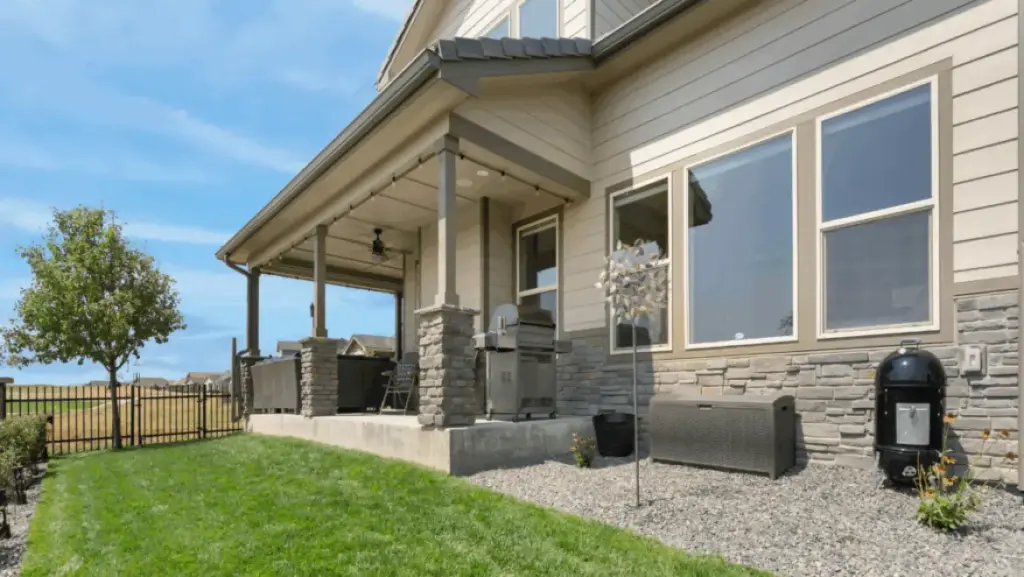
Modern exterior cladding does more than keep rain out. According to the National Renewable Energy Laboratory (NREL) 2026 Energy Efficiency Report, homes with high‑performance siding can reduce heating and cooling costs by up to 15 %. The material you pick also influences long‑term maintenance, resale value, and even the structural health of the walls behind it.
Popular Siding Materials and Their Core Benefits
Vinyl Siding – The All‑Rounder
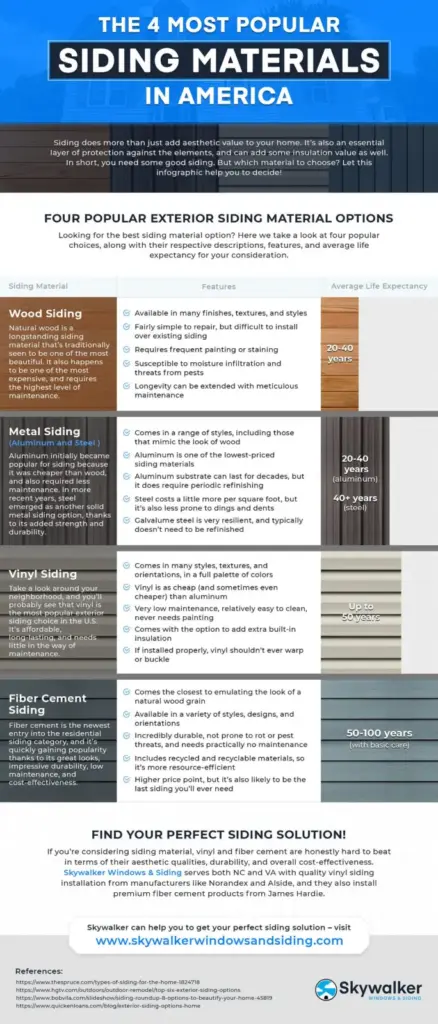
Vinyl remains the most common choice in North America, thanks to its low price point and easy installation. The Vinyl Siding 2026: Ultimate Guide notes that modern polymer blends resist fading, cracking, and moisture absorption, providing reliable weather resistance for over 30 years when properly maintained.
Table of Contents
- Why Home Siding Matters More Than Ever in 2026
- Popular Siding Materials and Their Core Benefits
- Vinyl Siding – The All‑Rounder
- Fiber‑Cement (Hardie Board) – Tough and Versatile
- Aluminum Siding – Lightweight and Recyclable
- Engineered Wood – Natural Look, Engineered Strength
- Choosing the Right Siding for Your Home: A Practical Checklist
- Step‑by‑Step Guide to Installing Home Siding
- Common Mistakes Homeowners Make With Siding Projects
- Real‑World Case Study: From Drab to Fab in 8 Weeks
- Cost Overview for Major Siding Types (2026)
- Future Trends Shaping Home Siding in the Next Decade
- Finding the Right Siding Contractor
- FAQs About Home Siding
- Can siding improve a home’s energy efficiency?
- How often should siding be inspected?
- Is vinyl siding prone to fading?
- Do I need a permit for siding replacement?
- What’s the best way to clean siding?
- Bottom Line: Invest Wisely for Long‑Term Gains
Fiber‑Cement (Hardie Board) – Tough and Versatile
Hardie Board, a leading siding material made from cement, sand, and cellulose fibers, offers excellent fire resistance (up to 2 hours) and can mimic the look of wood, stucco, or stone. The Hardie Board Siding 2026 guide highlights its ability to withstand hurricanes and wildfires, making it a top pick for coastal and wildfire‑prone regions.
Aluminum Siding – Lightweight and Recyclable
Aluminum siding delivers a sleek, metallic finish and is 100 % recyclable. Its low weight reduces structural load, and the material does not rot or attract termites. For a deeper dive, see What Exactly Is Aluminum Siding?, which explains how recent alloy advances improve dent resistance and finish longevity.
Engineered Wood – Natural Look, Engineered Strength
Engineered wood combines real wood fibers with polymer resins, giving a natural grain while resisting moisture and insects better than traditional wood. A 2025 survey by the Home Builders Association found that 42 % of new home builds in the Midwest opted for engineered wood due to its balance of aesthetics and durability.
Choosing the Right Siding for Your Home: A Practical Checklist
- Climate Compatibility: In hot, humid zones, prioritize materials with high UV stability (e.g., coated vinyl). In colder regions, look for options with superior insulation values, such as insulated fiber‑cement panels.
- Energy Efficiency: Insulated siding can add R‑2 to R‑5 to your wall assembly. Verify that the product meets the ENERGY STAR® 2026 standards for thermal performance.
- Maintenance Requirements: If you prefer low‑maintenance, choose non‑porous surfaces like aluminum or premium vinyl. Wood‑based options demand periodic sealing.
- Budget Constraints: Vinyl averages $3–$5 per square foot, while fiber‑cement ranges $6–$9. Factor in labor, which can vary 20–30 % based on complexity.
- Design Preferences: Consider color retention, texture, and architectural style. Modern homes often favor clean, smooth finishes, while farmhouse aesthetics lean toward board‑and‑batten or shiplap.
Step‑by‑Step Guide to Installing Home Siding
Even though hiring a professional is recommended, understanding the process helps you ask the right questions and avoid hidden costs.
- Assessment & Measurement: A qualified contractor will inspect the existing wall, note any damage, and calculate the exact square footage, including waste factor (typically 10 %).
- Preparation: Remove old siding, repair sheathing, and install a weather‑resistant barrier (WRB) such as housewrap.
- Flashing Installation: Properly flash windows, doors, and roof lines to prevent water infiltration—critical for long‑term weather resistance.
- siding Application: Starting at the bottom, attach panels or boards using corrosion‑resistant nails or screws, leaving manufacturer‑specified gaps for expansion.
- Finishing Touches: Install trim, corner pieces, and a final coat of sealant if required. Inspect for uniformity and proper sealing before cleanup.
Common Mistakes Homeowners Make With Siding Projects
- Skipping the WRB layer—leads to moisture buildup and mold.
- Choosing the cheapest material without considering long‑term durability—can result in higher lifecycle costs.
- Improper flashing—one of the leading causes of water intrusion after installation.
- Neglecting local building codes—some municipalities require fire‑rated siding in specific zones.
- Underestimating the need for professional installation—DIY errors can void warranties.
Real‑World Case Study: From Drab to Fab in 8 Weeks
Jane Doe, a homeowner in Austin, Texas, replaced her aging vinyl siding with insulated fiber‑cement panels. She worked with a local contractor found via Find the Best Siding Installers Near Me – 2026 Expert Guide. After the upgrade:
- Energy bills dropped 12 % during the hot summer months.
- Curb appeal, measured by a neighborhood appraisal, increased the home’s market value by $15,000.
- The new siding’s fire rating gave Jane peace of mind during the 2024 wildfire season.
Her experience underscores how choosing the right material and installer can deliver tangible financial and safety benefits.
Cost Overview for Major Siding Types (2026)
| Material | Material Cost (per sq ft) | Installation Labor (per sq ft) | Total Avg. Cost (per sq ft) |
|---|---|---|---|
| Vinyl | $3–$5 | $1.5–$2.5 | $5–$7.5 |
| Fiber‑Cement (Hardie Board) | $6–$9 | $2–$3.5 | $9–$12.5 |
| Aluminum | $4–$6 | $2–$3 | $7–$9 |
| Engineered Wood | $5–$7 | $2–$3 | $8–$10 |
Prices vary by region, but these figures provide a reliable benchmark for budgeting.
Future Trends Shaping Home Siding in the Next Decade
Industry analysts at Construction Market Insights 2026 predict three key developments:
- Smart Siding: Integrated sensors that monitor moisture levels and temperature, alerting owners to potential leaks before damage occurs.
- Eco‑Friendly Formulations: Bio‑based polymers and recycled fiber‑cement blends aiming for a carbon‑neutral production cycle.
- Customizable Textures via 3‑D Printing: Allows homeowners to match historic patterns without costly molds.
Finding the Right Siding Contractor
A reputable contractor will provide a written estimate, proof of insurance, and references. The Top 2026 Guide to Choosing the Right Siding Companies recommends checking for:
- Licensing and local certifications.
- Membership in industry groups such as the National Association of Home Builders (NAHB).
- Warranty terms that cover both material and labor for at least 10 years.
FAQs About Home Siding
Can siding improve a home’s energy efficiency?
Yes. Insulated siding adds a continuous layer of R‑value, reducing thermal bridging. Pairing it with proper air sealing can cut heating and cooling loads by up to 15 %.
How often should siding be inspected?
At least once a year, preferably in the spring after winter weather. Look for cracks, loose panels, or signs of water intrusion around windows and doors.
Is vinyl siding prone to fading?
Modern co‑extruded vinyl retains its color for 20‑30 years. UV‑stabilized pigments and proper cleaning prevent premature fading.
Do I need a permit for siding replacement?
Most municipalities require a building permit for exterior work that modifies the envelope. Check local regulations or ask your contractor to handle the paperwork.
What’s the best way to clean siding?
Gentle pressure washing with a mild detergent is sufficient for most surfaces. Avoid abrasive tools that can scratch vinyl or aluminum.
Bottom Line: Invest Wisely for Long‑Term Gains
Choosing the right home siding isn’t just a cosmetic decision—it’s an investment in energy savings, protection against the elements, and property value. By evaluating climate suitability, budget, and maintenance preferences, and by partnering with a vetted installer, you can ensure that your home’s exterior performs beautifully for decades.
Ready to start your siding project? Explore the Siding Replacement 2026 Guide for detailed material comparisons and cost calculators, then contact a trusted local professional today.
